
Once I went to bed in the evenings and sometimes during the day, my imagination took over, most notably when sitting on the swing in the back garden. There were several different fantasies, often recurring. In one, I drove a car on a road called De Weg (The Way), reflecting my life path. There is a parallel with the Chinese Tao. And our home had wings and could fly, but only in my imagination. Once, in a dream, all the houses in Nijverdal spread their wings, went up in the air, and installed themselves in new locations during school time, so I got lost on my way home. That gave me the idea.
A few times, I had a crush on a girl. And out of nowhere came a strange and scary imagination. She would consume me or digest me inside her stomach. The inside of her stomach consisted of giant gears that crushed me. That imagination didn’t relate to my feelings for these girls, which weren’t particularly strong, or a fear for them as they weren’t particularly intimidating. It just seemed to come out of the blue. In hindsight, it was a foreboding of things to come three decades down the line.
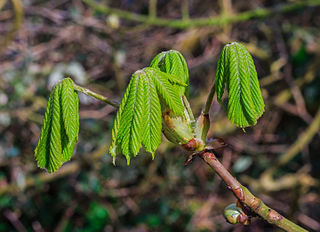
In the autumn of 1976, I had gathered a bag of chestnuts and left them on the ground behind the shed in the backyard. The following spring, dozens of small chestnut trees popped up on the spot. It was the start of my tree garden in the backyard land and the germinate club that specialised in growing trees, most notably chestnut trees. The backyard land belonged to our neighbour, Mrs. Schaap (Mrs. Sheep). She came from the Dutch Indies and was in her sixties when we moved there. She was a widow. Her husband had died a few years earlier, and the patch would become a kitchen garden tilled by her husband. And so, that land remained fallow, and I could begin a tree garden there.
Mrs. Schaap didn’t mind, and we could get along. I was often on her terrace, drinking lemonade with her. She also drank nettle tea, ate nettle soup against her rheumatism, and let me taste them. They were not a thrilling taste sensation. They were like green tea. Ms Schaap became very old and died in 2014, aged 100. On the other side was a garden centre owned by the Ter Horst couple. The wife often came over to let my mother do her hair. To me, the garden centre was an adventure centre. I could hide between the bushes and trees and move inconspicuously. I saved trees and plants from the garbage heap, sometimes with friends, to relocate them in the tree garden. Once, I sold a plant to Ms Schaap, but my mother cancelled the sale.
For over a decade, Mrs. Schaap had a fancy man, Mr. Langelaar. His wife had dementia and later died. He often came over, and they sat in the garden reading books. Ms Schaap sometimes came to buy a few cigarettes from my mother. She didn’t want to keep them at home as that would make her smoke more. I vaguely remember Ms Schaap having a fish tank in the living room at first. My father later confirmed it. That is noteworthy, as at our previous address in Eibergen, our next-door neighbour was also a lady of the same age from the Dutch Indies with a fish tank. I regularly visited the other neighbours as well. They were mostly older people who had kitchen gardens, chickens, cows and rabbits.
We had a horse, first a pony named Tilly, and later, a real horse, Desi, for my mother to ride. A horse in your pasture attracted girls who wanted to ride it. My mother only allowed Alexandra to do that. She had long, curly blond hair and was beautiful, but she was six years older, so I barely looked at her. As the story goes, she had been on holiday with her parents in Morocco once, where a wealthy man offered her parents 3,000 camels to marry her. My mother sold the horse in the early 1980s when interest rates skyrocketed, and mortgage payments became a drag on the budget.
Trees became special to me. I made drawings of trees and made up stories about them in which they could talk and fly. And I began drawing maps, first of the Netherlands and later of Europe or imaginary countries with coastlines, villages, cities, roads, and rivers. These imaginations made life more agreeable. In bed, a fairy tale world took over. This situation remained so during my teenage years and didn’t change during adulthood. There was a strict disjunction between reality and imagination. I was imaginative but didn’t believe my imagination. That was unusual. Most people are less imaginative but believe in their fantasies.
I still love trees. After buying my house, I left the garden and the trees the way they were, much to the chagrin of my neighbour, a lawyer who wanted them cut down. And I planted Christmas trees next to the railroad near my home. One survived and has grown large. In the early 2000s, a deadly chestnut disease began to kill chestnut trees. They suffered the same fate as the elms culled by the Dutch Elm Disease. That is peculiar, as I was born on Elm Street in the Netherlands and had grown chestnut trees later on. The fact that the elm disease is Dutch adds some juice to this coincidence.
In school, a book once presented the children with a choice about the type of future they preferred. Option one was a sober room with a light bulb. A boy on a wooden stool asked his parents, ‘When will there be electricity so I can read?’ This option represented a simple life with little comfort. Option two was a boy attached to a machine. He didn’t appear all that healthy. It represented an advanced technological society. I chose the first option.
Feature image: Close-up of a chestnut tree branch at De Famberhorst in the Netherlands. Dominicus Johannes Bergsma (2016). Wikimedia Commons.
 The Plan For The Future